Why Gen 5 Speed is a Myth (Unless You fix the Protocol)
You have just thrown away a small fortune in Gen 5 server chips. The datasheet promised 32 GT/s. Your promotional staff are already trumpeting about record throughput. But in the...


The amount of pressure to reduce the weight of wiring is extreme in the migration to Zonal Architectures and Software-Defined Vehicles (SDV). It has caused a significant architectural change that...
Debugging eMMC Boot Failures: Capturing & Analyzing Boot Data with PGY-SSM Embedded systems rely on a flawless boot sequence from their eMMC storage to load firmware and hand off control...
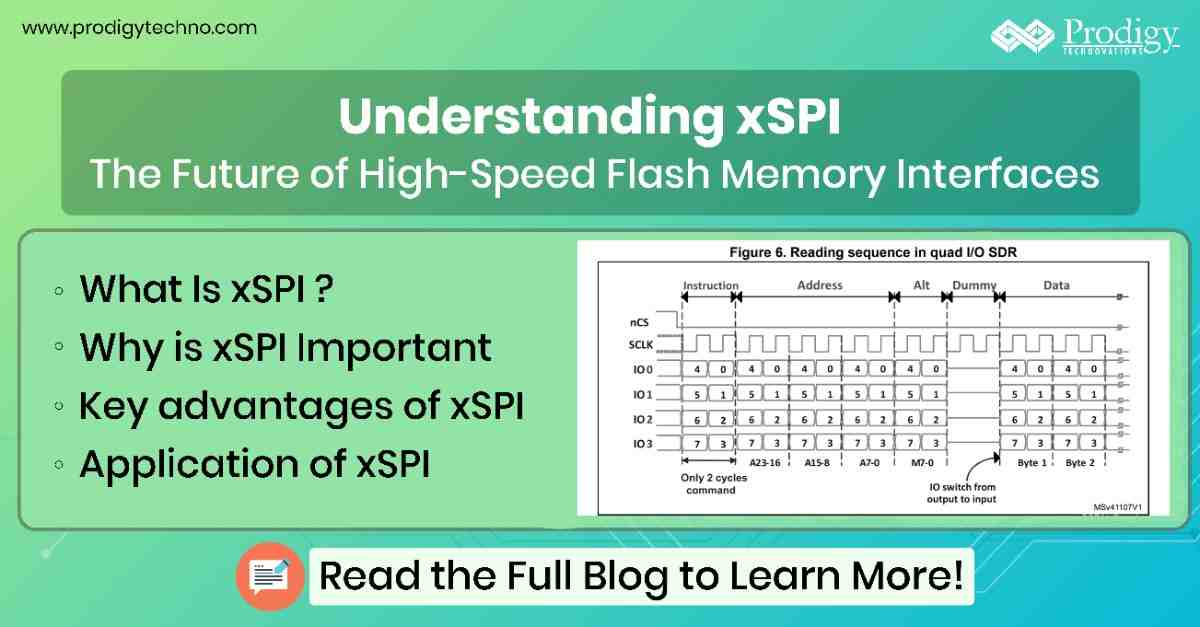
Understanding xSPI: The Future of High-Speed Flash Memory Interfaces Introduction to XSPI (What is XSPI?) xSPI stands for “eXpanded Serial Peripheral Interface”. It’s a high-speed communication protocol designed to interface...
Sideband Signal Analysis for PCIe Interfaces Using PGY-PCIeLP-SBA Silicon vendors need to validate the electrical timing measurements of side band signals at different state of the DUT and see the...
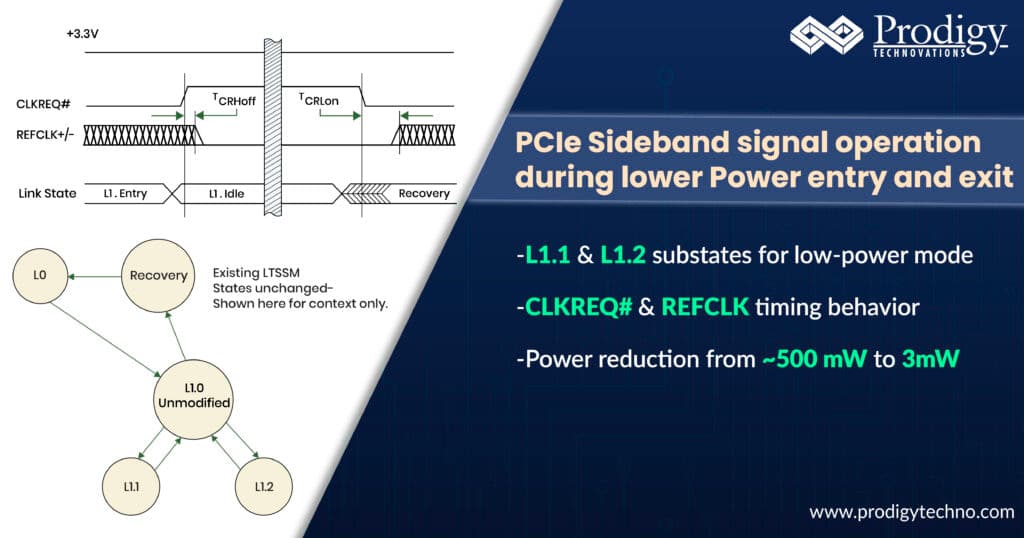
PCIe Sideband signal operation during lower Power entry and exit In modern applications such as mobile devices, servers, gaming systems, and network storage, there is a growing demand for increased...
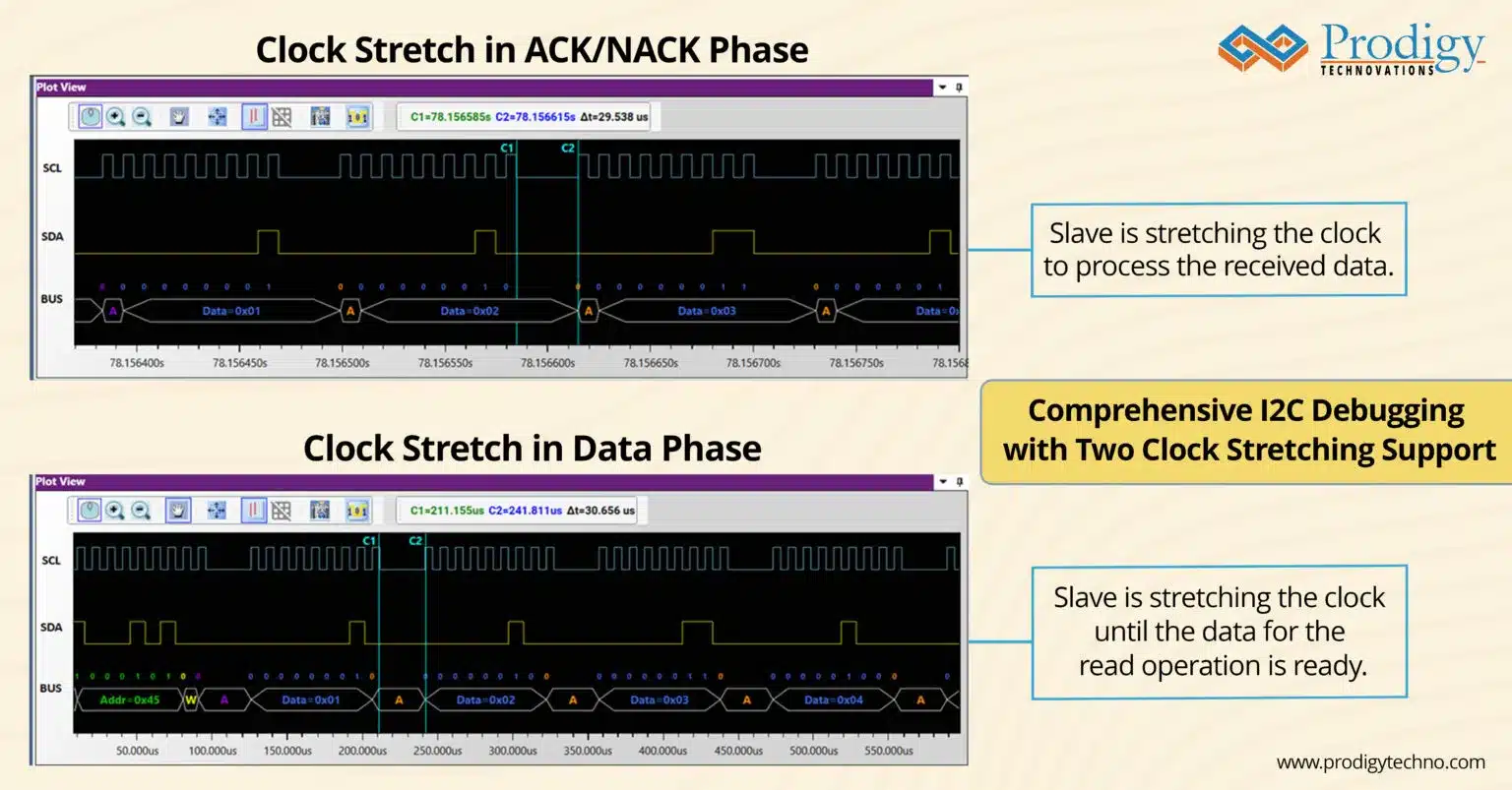
Understanding Clock Stretching in I²C Communication and How PGY-I2C-EX-PD Simplifies Debugging Efficient communication between devices is crucial in modern embedded systems, especially when using protocols like I²C (Inter-Integrated Circuit). One...
Universal Flash Storage (UFS) uses the MIPI Alliance’s MPHY physical layer specification to interconnect the UFS device with the host (SoC) or application processor. This is an embedded interface with...
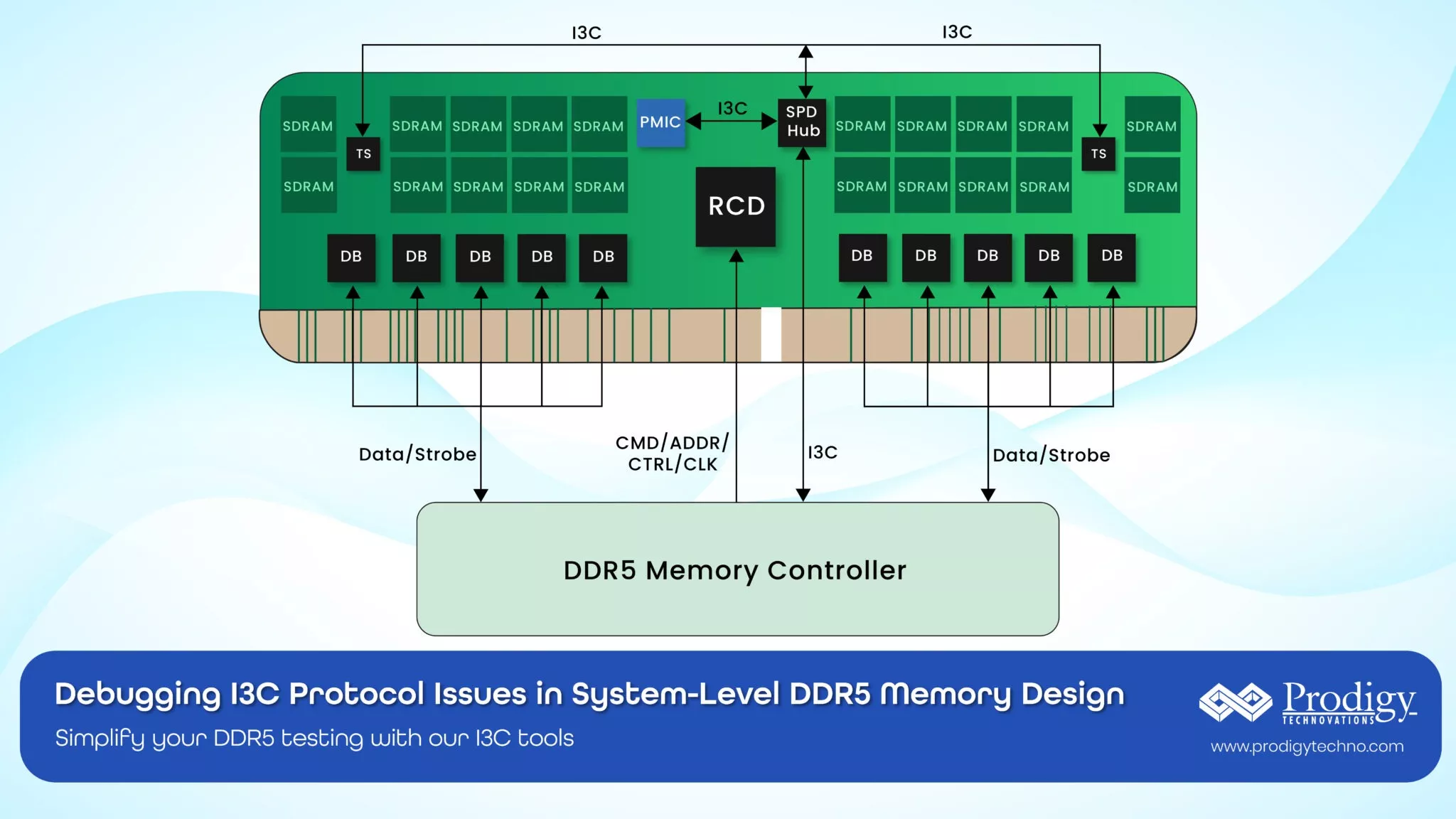
DDR5 is fifth generation dynamic random-access memory provides superior performance over DDR4. It is designed for next generation CPUs and GPU to address artificial intelligence applications and large data processing...
Introduction The MIPI I3C Bus interface enhances the legacy I2C standard by reducing the number of physical pins required in sensor systems while supporting low-power, high-speed digital communication, similar to...