I2C vs I2S

I2C vs I2S

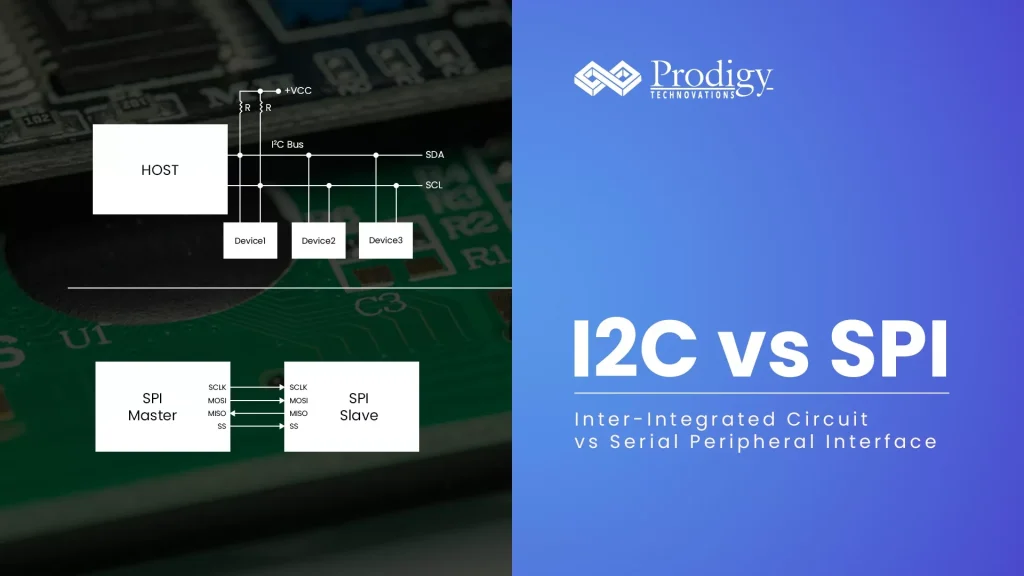
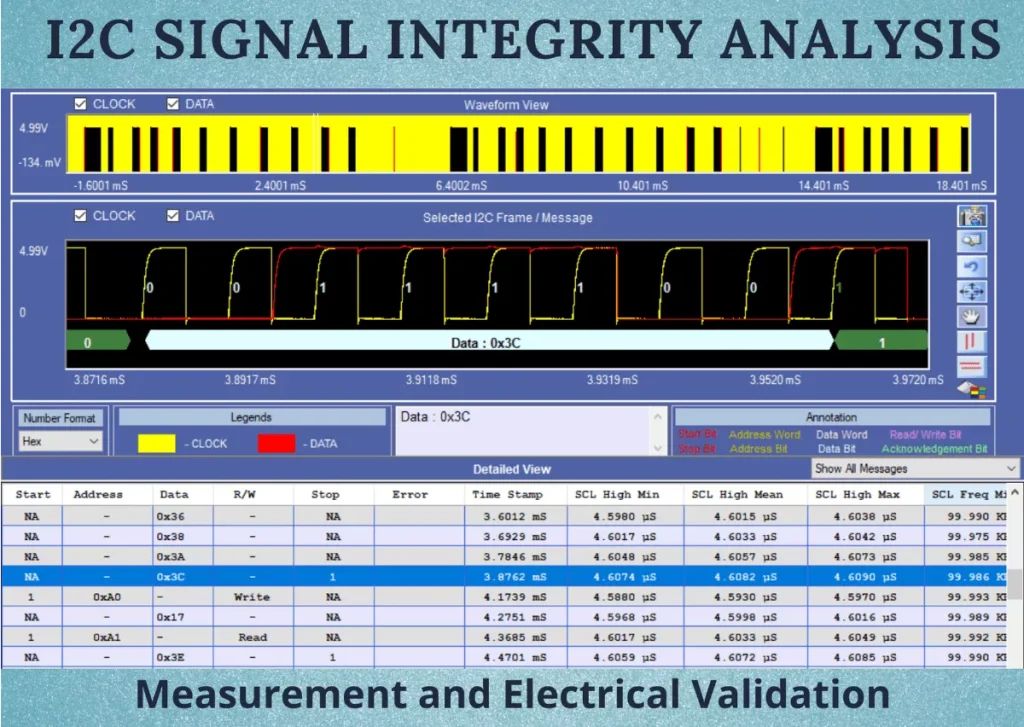
Difference between I2C vs I2S What is I2C Protocol? I2C stands for Inter IC communication. I2C is a simple two-wire protocol used to comminute between two devices or chips in an embedded system. I2C has two lines SCL and SDA, SCL is used for the clock, and SDA is used for data. I2C Timing Diagram […]

eMMC vs UFS

eMMC vs UFS

The Differences between eMMC and UFS are: What is eMMC Protocol? Embedded multimedia card or eMMC, is a NAND flash memory for mobile applications and a memory solution for consumer electronics such as tablets, smartphones, GPS systems, eReaders, and other mobile computing devices. What is UFS Protocol? Universal Flash memory or UFS is the next […]

How AI Edge voice chip Company accelerated the Post Silicon bring up?

How AI Edge voice chip Company accelerated the Post Silicon bring up?

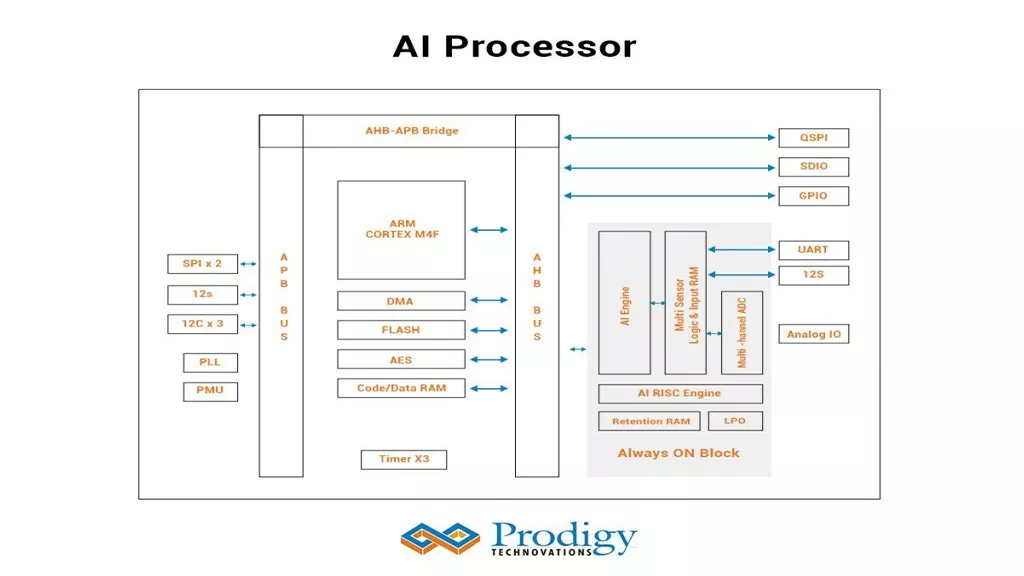
INTRODUCTION A startup was working on AI Edge-based voice processor chip. The voice-based AI chip is designed to consume the lowest power as it’s used in consumer headphones or earbuds. The startup was about to tape out the chip and was preparing for a post-silicon bring-up. It faced very significant barriers in the development phase […]

Where is Logic Analyzer used?

Where is Logic Analyzer used?

Where is Logic Analyzer used? Embedded System Testing : Embedded Systems have multiple devices and each of the devices uses the bus to communicate with the main chip or processor and other devices in the system. The Embedded system generally has SPI and I2C devices to communicate with the main processor. A logic analyzer can […]

SPI Protocol

SPI Protocol

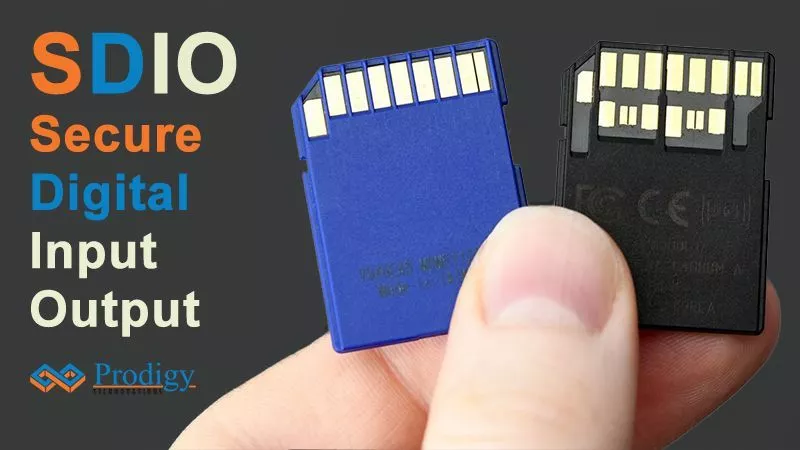
SPI Protocol: Introduction SPI stands for Serial Peripheral Interface and it is a synchronous serial communication interface used for short-distance communication. SPI interface was developed by Motorola in the 1980s to be primarily used in embedded systems and since then it has become a de facto standard. SPI interface is widely used in SD cards, […]

HDMI Protocol 

HDMI Protocol 

Introduction  HDMI is a digital replacement for existing analog video standards. It is termed as the catalyst for the DTV revolution. The DTV revolution is driving the HDMI standard to support an increase in data speed to higher video resolutions to meet emerging needs. As a result, design and validation engineers need tools to improve […]

UART Protocol

UART Protocol

UART Protocol: INTRODUCTION UART stands for Universal Asynchronous Receiver Transmitter. A UART’s main purpose is to transmit and receive serial data. UART was developed by Gordon Bell at Digital Equipment Corporation in the 1960s. UARTs are used in automobiles, smart cards, and SIMs in which they are commonly integrated in microcontroller chips. In UART communication, […]

QSPI Protocol

QSPI Protocol

QSPI Protocol: Introduction Quad Serial Peripheral Interface (QSPI) is a serial communication interface. QSPI has been specifically designed for talking to flash chips. QSPI is useful in applications that involve a lot of memory-intensive data like multi-media and on-chip memory is not enough. It can also be used to store code externally and it can […]

RFFE Protocol

RFFE Protocol

RFFE Protocol: Introduction Mobile radio communication involves multi-radio systems composed of several parallel transceivers making a leap in complexity for the RF front-end design. RF front-end devices include power amplifiers, low-noise amplifiers, filters, switches, power management modules, antenna tuners, and sensors. The devices may be located either in a separate unit or they may be […]

ONFI – Open NAND Flash Interface

ONFI – Open NAND Flash Interface

ONFI INTRODUCTION The Open NAND Flash Interface (ONFI) is an industry Workgroup made up of more than 100 companies that build, design-in, or enable NAND Flash memory dedicated to simplifying NAND Flash integration into consumer electronic products, computing platforms, and any other application that requires solid state mass storage. ONFI defines standardized component-level interface specifications […]

51–60 of 78 Blogs

Request For Quote

Share your requirement and our team will provide a tailored quote based on your validation needs.

"*" indicates required fields

This field is for validation purposes and should be left unchanged.
Address*

Request For Demo

Tell us your use case and our team will schedule a product demo aligned to your validation workflow.

"*" indicates required fields

This field is for validation purposes and should be left unchanged.
Address*

Request A Demo

Tell us your use case and our team will schedule a product demo aligned to your validation workflow.

"*" indicates required fields

This field is for validation purposes and should be left unchanged.
This field is hidden when viewing the form
Address*

Request Quote

Share your requirement and our team will provide a tailored quote based on your validation needs.

"*" indicates required fields

This field is for validation purposes and should be left unchanged.
Address*